
If you’re approaching retirement or helping a parent navigate what comes next, the landscape looks different from what it was a generation ago. Today’s retirees are seeking freedom and a lifestyle that matches who they are. For many active, independent seniors across Sydney, retirement living residences in Sydney represent less responsibility, more opportunity, and the quiet reassurance that support exists if circumstances change down the track.
But does a retirement residence genuinely suit your situation? Let’s understand what modern retirement living actually looks like for people who aren’t ready to compromise on independence.
Table of Contents

Retirement once meant a modest unit, a slower pace, and waiting for family visits. Not anymore. Active seniors today are travelling, volunteering, taking up hobbies, and prioritising wellbeing in ways previous generations never imagined. However, maintaining that energy while managing a large home, overgrown gardens, or stairs could be an issue now.
Lifestyle-based retirement living addresses exactly this.
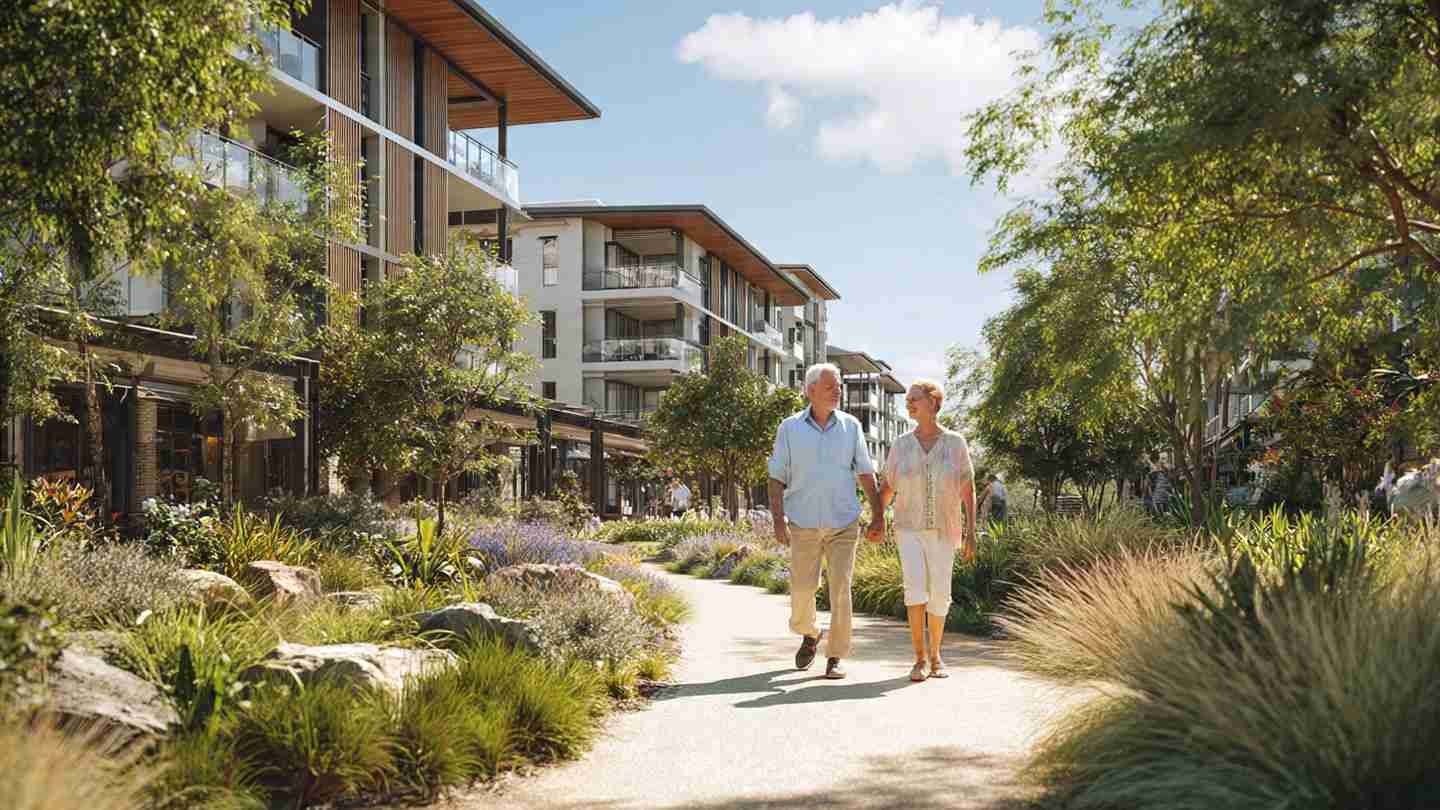
Retirement living for active seniors centres on autonomy. You have your own private residence, typically a one or two-bedroom unit or apartment, where daily life unfolds on your terms. Cook when you want, go out when you please, and structure your days however suits you.
What separates retirement living from simply downsizing is the surrounding community. Social activities, hobby groups, fitness classes, and shared gardens exist if you want them, but participation is always voluntary. For many seniors, the appeal lies in that balance: freedom to engage socially without obligation, alongside the comfort of knowing friendly faces are nearby.
However, retirement living isn’t aged care. Most retirement residences cater specifically to independent seniors who don’t require daily medical assistance. Retirement living suits people managing daily life independently but wanting infrastructure and community that supports an active, engaged lifestyle.

Spending weekends cleaning gutters, mowing lawns, or coordinating tradespeople for repairs? Many active seniors find home maintenance has quietly become a second job. Retirement living removes the burden entirely. Gardens, building upkeep, and repairs are managed on your behalf, freeing up time for what you’d rather be doing: golf, art classes, or simply reading without interruption.
Loneliness is a genuine concern for retirees, particularly after losing a spouse or as friends relocate. Living in a retirement community offers natural opportunities for connection. Whether a morning walk with neighbours, joining a book club, or sharing coffee with someone who gets your humour, the social infrastructure already exists.
For adult children helping parents through this decision, the social aspect often brings significant peace of mind. Knowing mum or dad has regular interaction and isn’t isolated in a suburban home eases concerns about wellbeing.
Even if you’re fit and healthy now, forward-thinking seniors recognise the value of living somewhere designed with ageing in mind. Many retirement residences feature level access, grab rails, wider doorways, and emergency call systems. These elements aren’t intrusive; they’re simply woven into the environment so retrofitting your home later becomes unnecessary.
Additionally, being part of a retirement community often means on-site or nearby support if circumstances shift. While assistance may not be needed now, knowing options exist provides genuine reassurance.
Retirement living residences increasingly offer amenities aligned with modern retiree lifestyles: gyms, pools, libraries, workshop spaces, and organised outings. For active seniors wanting to stay physically engaged, these facilities make maintaining routines easier without separate gym memberships or long commutes.


Ultimately, retirement living residences suit seniors who value independence but are ready to release the burdens that come with maintaining a traditional home. If social connection, safety, and lifestyle amenities align with your vision for what comes next and you’re comfortable with the financial model, the option deserves serious consideration.
The decision isn’t about admitting you can’t manage anymore. It’s about actively choosing a lifestyle that supports who you are now and who you want to be moving forward. For many active, independent seniors across Sydney, that choice leads to retirement living, and they don’t look back.
If you’re still weighing options, take your time. Visit communities, ask questions, and trust your instincts. The right decision is the one that genuinely fits your life.

















Leave a Reply