Teenage Therapy: 7 Essential Elements of Safe Mental Health Treatment

Teenage therapy: If you’re searching for a teen mental health treatment center, you’re probably balancing worry with hope. You want real help, not buzzwords. This guide walks you through what high-quality care should look like—so you can feel confident about next steps for your teen and for your family.

First things first: when to seek urgent help

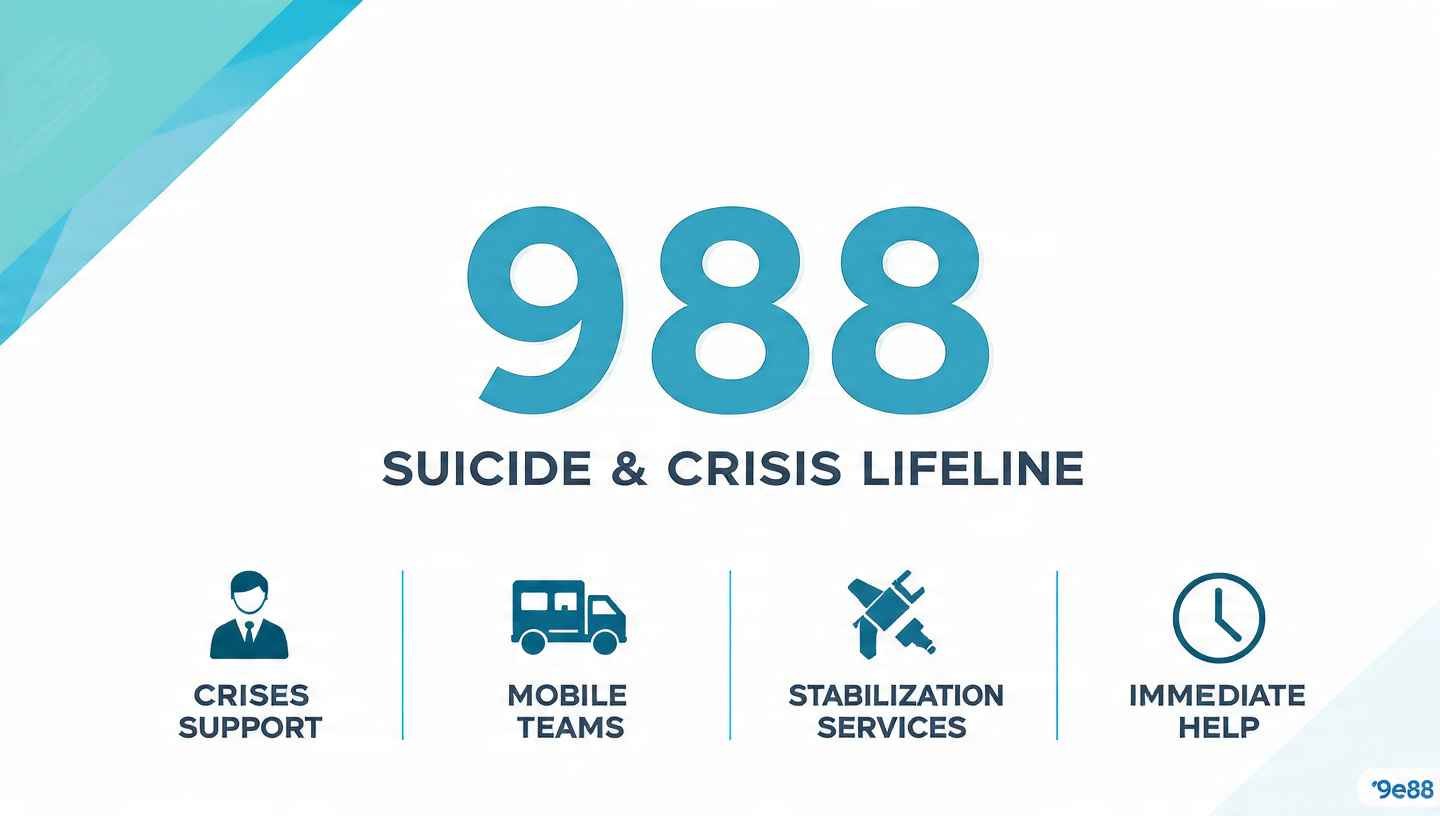
If your teen is talking about suicide, has a plan, or you’re worried about immediate safety, call 988 (Suicide & Crisis Lifeline) or 911 now. National crisis care guidelines emphasize quick access to help and coordination across services, including mobile crisis teams and crisis stabilization units.
teenage-therapy-for-depression-and-anxiety

Teenage Therapy: How to Know Which Level of Care Fits

A solid teen mental health treatment center in Boise will assess your teen and recommend the least restrictive level of care that can keep them safe and moving forward. That means starting with outpatient or intensive outpatient when appropriate—and using residential care when symptoms, safety concerns, or school/home functioning require 24/7 structure.
teenage-therapy-for-behavior-problems-and-school-issues

What that looks like in practice

  • Clear intake assessment covering safety, mood, anxiety, trauma, substance use, school, and family dynamics.
  • A personalized plan that explains why residential care (if recommended) is necessary and how long it might last, with criteria for stepping down to day or outpatient care.

Safety isn’t just a checkbox—it’s a culture

Residential programs serving teens should have written policies for crises, injuries, elopements, use of restraints (with prevention focus), and how concerns or complaints are handled. Day-to-day clinical leadership should be by trained professionals with relevant graduate-level training and experience. Ask to see these policies and meet the leadership team.

Ask these safety questions

  • How is suicide risk screened and re-checked?
  • What is overnight supervision like?
  • How are medications managed and reviewed?
  • How do you reduce restraint and seclusion, and how are families informed if they occur?

teenage-therapy-residential-treatment-centers

The American Academy of Pediatrics also outlines current best practices for identifying and responding to suicide risk in adolescents—another reason your program should be using standardized screening and safety-planning.

Evidence-based care your teen should receive

Great programs are transparent about the conditions they treat and the therapies they use. Look for:

teenage-therapy-with-family-involvement

  • Cognitive Behavioral Therapy (CBT) for depression, anxiety, and trauma-related symptoms. In adolescents with depression, combinations that include CBT can improve remission and reduce suicidal ideation compared with some single-modality approaches.
  • Family-centered care every week. Research continues to show that active, structured family involvement improves emotional/behavioral outcomes and supports a successful return home.
  • Care coordination that plans for life after discharge (school, primary care, outpatient therapy). Federal guidance for youth behavioral health emphasizes coordinated, wraparound supports for complex needs.

If a teen mental health treatment center claims a unique “secret method,” proceed with caution. National professional groups encourage transparent, guideline-based approaches rather than proprietary, untested models.

What strong family partnership feels like

You’re not a visitor—you’re part of the team. Expect:

  • Weekly family therapy with practical skills (communication, boundaries, safety planning).
  • Regular updates tied to measurable goals (sleep, school participation, coping skill use).
  • A discharge plan you co-create, with appointments scheduled, school coordination in motion, and clear steps for what to do if problems flare. Parents in recent studies often report gaps in aftercare; good programs fix that by building continuing-care supports in advance.

Daily life your teen can count on

Consistency builds safety and progress. Ask for a sample weekly schedule showing:

  • School blocks with education support
  • Individual therapy (usually 1–2x/week)
  • Skills groups (CBT or DBT-informed)
  • Recreational therapy and healthy sleep routines
  • Time for family video sessions if distance makes in-person visits hard

Residential treatment centers should state what they do and don’t treat, the training of staff, and how they ensure continuity of care with home providers.

How to evaluate a program (a quick checklist)

Use this when you speak with any teen mental health treatment center:

Safety & Staffing

  • Written crisis and medication policies?
  • 24/7 awake staff and medical/psychiatric coverage?
  • Leadership qualifications and ongoing staff training?

Clinical Quality

  • Clear diagnostic assessment and rationale for residential level of care?
  • Evidence-based therapies (CBT; skills training), plus family therapy every week?
  • Measurement-based care (rating scales; progress tracking) and individualized goals?

Family Partnership

  • Scheduled family sessions; coaching for home routines; culturally responsive care?

Aftercare Planning

  • Step-down plan (PHP/IOP/outpatient), care coordination, school reintegration, and crisis plan aligned with local resources?

What “real progress” usually looks like

Change rarely happens overnight. Look for small, steady markers:

  • Fewer safety crises and clearer safety plan use
  • More consistent sleep, schoolwork, and hygiene
  • Using coping skills without staff prompting
  • Family conflicts de-escalate faster, with skills you all can use at home

Programs that track these markers and share data with you are respecting your role and your teen’s time.

If you’re comparing options in Boise

It’s okay to ask direct questions and take notes. A trustworthy teen mental health treatment center in Boise will welcome that. Ask for outcomes data, family satisfaction scores, and specifics on school coordination and aftercare. If a program can’t explain how it aligns with national principles of safe, quality residential care for youth, consider other options.

Gentle next step

Make a short list of centers, schedule intake calls, and bring this guide’s questions with you. If you’re unsure whether residential is needed, ask for an evaluation that looks at safety, function at home/school, and previous treatment response—then match the level of care to your teen’s actual needs.

Important safety note

This page offers general information and support. It isn’t medical advice and can’t replace care from a licensed professional. If you or someone you love is in crisis or at immediate risk of harm, call 988 (U.S.) or 911 right now. National guidance supports immediate access to crisis care, including mobile teams and stabilization services.

Sources

  • SAMHSA — National Guidelines for Behavioral Health Crisis Care: Best Practice Toolkit: Core standards for access, response, and continuity in crisis systems.
  • AACAP — Principles of Care for Residential Treatment Centers: Guidance on safety, clinical leadership, family involvement, and critical-incident policies for youth residential programs.
  • NIMH — Treatment for Adolescents with Depression Study (TADS): Evidence on the effectiveness of CBT and combined treatment (CBT + fluoxetine) for adolescent depression.