
Teenage therapy: If you’re searching for a teen mental health treatment center, you’re probably balancing worry with hope. You want real help, not buzzwords. This guide walks you through what high-quality care should look like—so you can feel confident about next steps for your teen and for your family.
Table of Contents
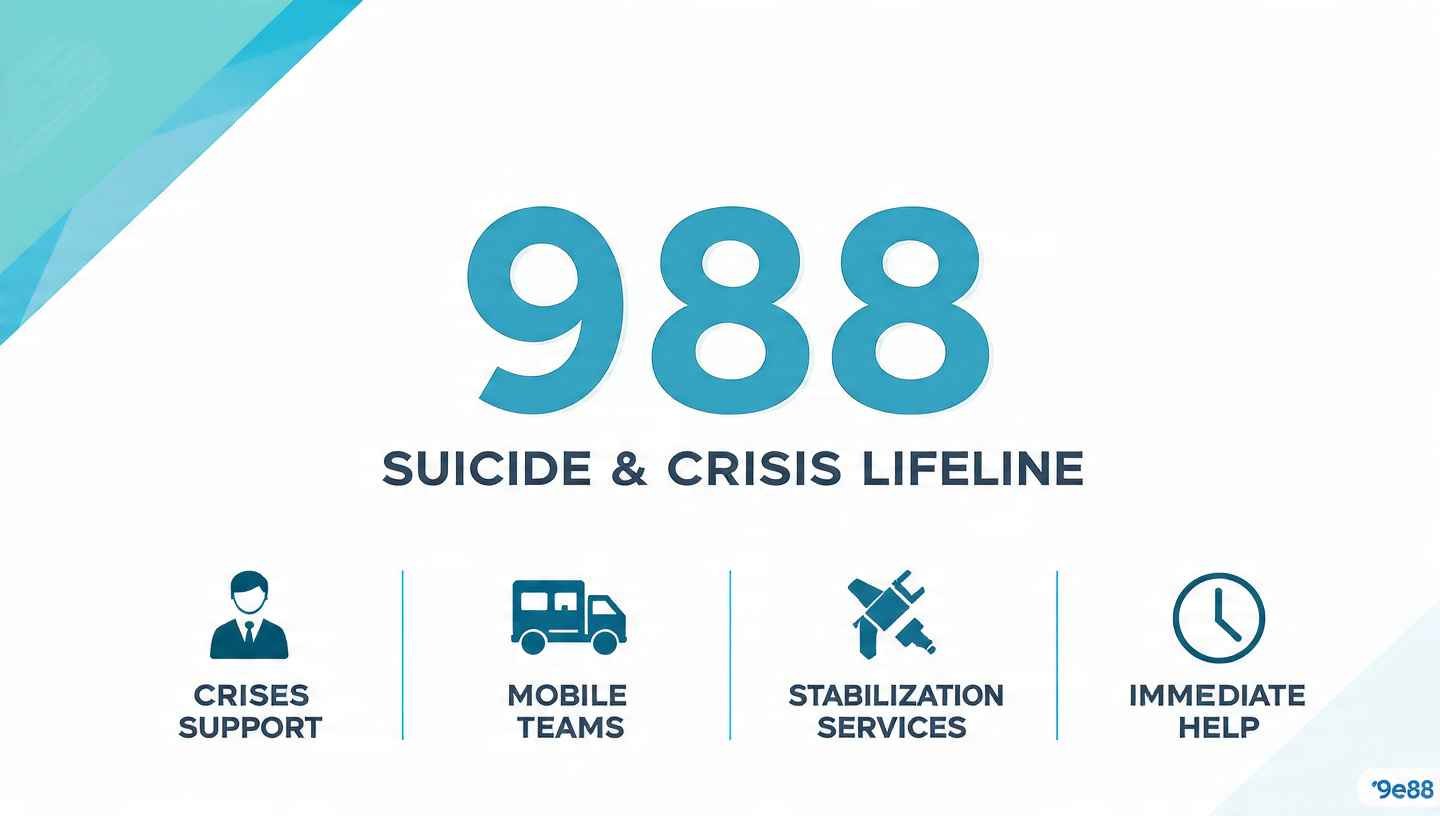
If your teen is talking about suicide, has a plan, or you’re worried about immediate safety, call 988 (Suicide & Crisis Lifeline) or 911 now. National crisis care guidelines emphasize quick access to help and coordination across services, including mobile crisis teams and crisis stabilization units.
A solid teen mental health treatment center in Boise will assess your teen and recommend the least restrictive level of care that can keep them safe and moving forward. That means starting with outpatient or intensive outpatient when appropriate—and using residential care when symptoms, safety concerns, or school/home functioning require 24/7 structure.
What that looks like in practice
Residential programs serving teens should have written policies for crises, injuries, elopements, use of restraints (with prevention focus), and how concerns or complaints are handled. Day-to-day clinical leadership should be by trained professionals with relevant graduate-level training and experience. Ask to see these policies and meet the leadership team.
Ask these safety questions

The American Academy of Pediatrics also outlines current best practices for identifying and responding to suicide risk in adolescents—another reason your program should be using standardized screening and safety-planning.
Great programs are transparent about the conditions they treat and the therapies they use. Look for:

If a teen mental health treatment center claims a unique “secret method,” proceed with caution. National professional groups encourage transparent, guideline-based approaches rather than proprietary, untested models.
You’re not a visitor—you’re part of the team. Expect:
Consistency builds safety and progress. Ask for a sample weekly schedule showing:
Residential treatment centers should state what they do and don’t treat, the training of staff, and how they ensure continuity of care with home providers.
Use this when you speak with any teen mental health treatment center:
Safety & Staffing
Clinical Quality
Family Partnership
Aftercare Planning
Change rarely happens overnight. Look for small, steady markers:
Programs that track these markers and share data with you are respecting your role and your teen’s time.
It’s okay to ask direct questions and take notes. A trustworthy teen mental health treatment center in Boise will welcome that. Ask for outcomes data, family satisfaction scores, and specifics on school coordination and aftercare. If a program can’t explain how it aligns with national principles of safe, quality residential care for youth, consider other options.
Gentle next step
Make a short list of centers, schedule intake calls, and bring this guide’s questions with you. If you’re unsure whether residential is needed, ask for an evaluation that looks at safety, function at home/school, and previous treatment response—then match the level of care to your teen’s actual needs.
Important safety note
This page offers general information and support. It isn’t medical advice and can’t replace care from a licensed professional. If you or someone you love is in crisis or at immediate risk of harm, call 988 (U.S.) or 911 right now. National guidance supports immediate access to crisis care, including mobile teams and stabilization services.
Sources



















Leave a Reply